 Waiheke Island
Learning starts barefoot.
A small Steiner-based school on Waiheke. The whole school at one table: six children to start, and real work outdoors every day. [to confirm: outdoors every day]
We open in [term, year, to confirm]. Until then, this page describes the day we are building.
A day here
The shape of a day
- Arrive.Boots off, bags on hooks, a handshake at the door.
- Main lesson.The first long stretch of the morning, given to one subject for a few weeks at a time, say fractions or how a stream works, so children can go deep.
- Out.Something to eat, then play outside, in most weather.
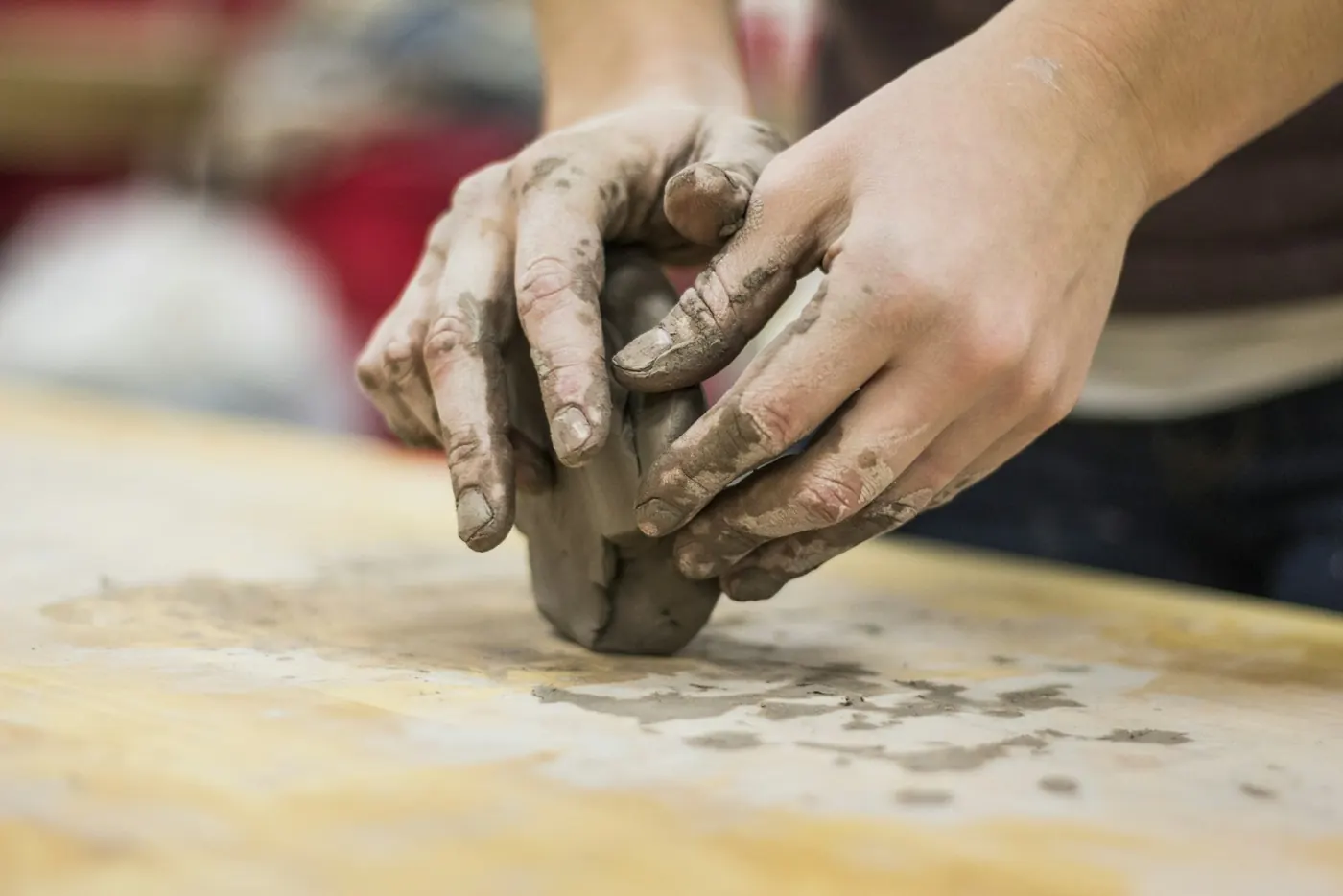
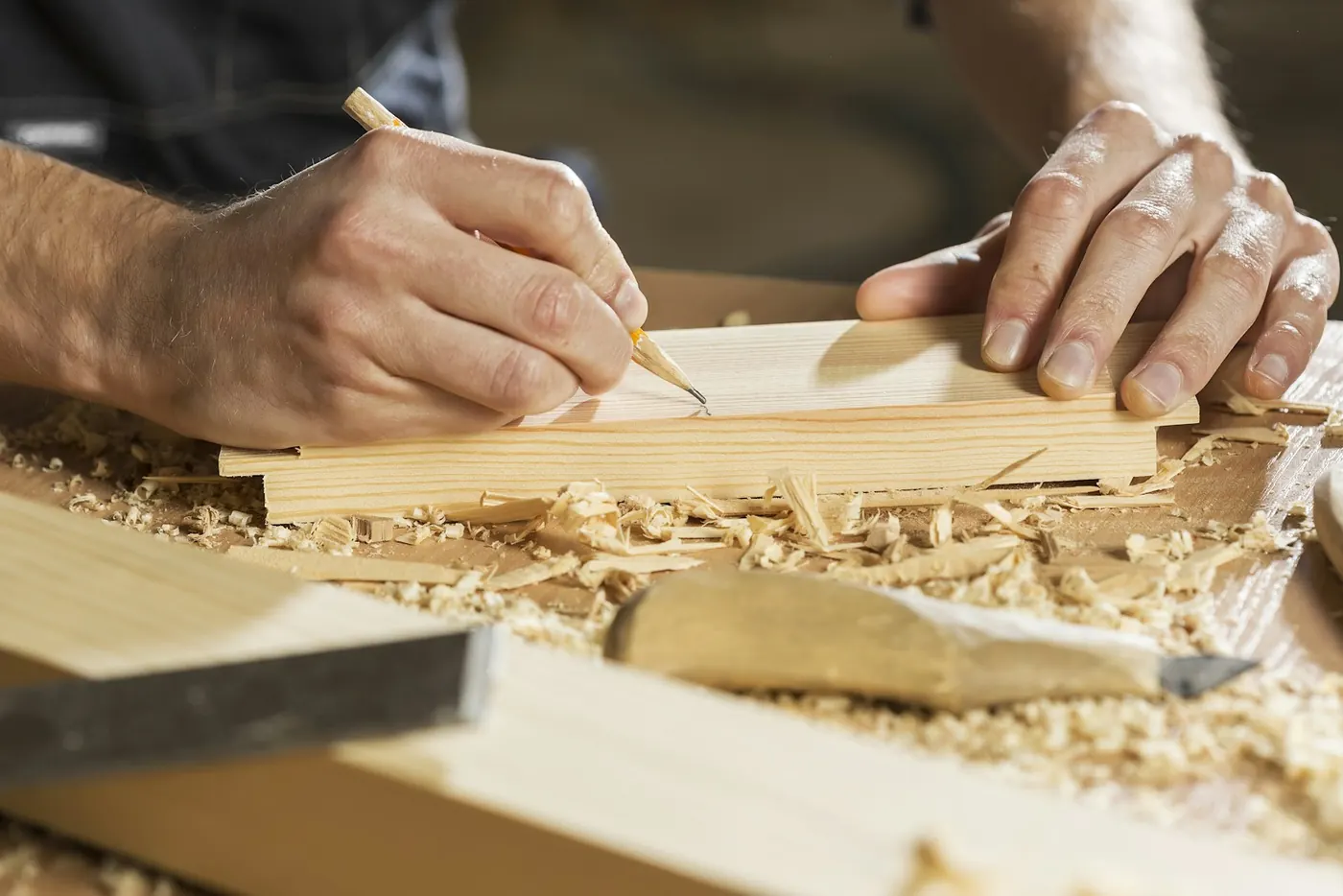
- Hands.Garden, clay, wood or handwork: knitting, sewing, mending. Practised a little every day.
- Lunch.At the one table, together, then back out on the land.
- Home.Tidy up, a story, a song, out the gate.
This is the shape of a day, not a timetable. We’ll publish the times, and the hours spent outdoors, once our site and teacher are confirmed. [to confirm: site, times, hours outdoors]
The room, in three lines
Six to start.
We begin with six children and grow slowly, so every child is known. No back row.
Ages together.
Older children show how. Younger ones ask why. Everyone does both.
Outside every day.
[X] hours a week outdoors, written into the timetable, in [the garden / the bush / at the shore: list confirmed places only]. Never a reward for finishing.
The teacher
Who’s at the door
[Teacher name] teaches [ages to confirm]. [One sentence: where they grew up and what brought them to Waiheke.] [One sentence: training and experience, stated plainly, only qualifications that can be checked, e.g. “Trained as a Steiner teacher at [institution], [year]”.] [One sentence: what they make or mend with their own hands.] [One sentence in their own words: what they think a child needs most.]
Children’s work
Made here
Our first children haven’t started yet. This is where their work will go, photographed with their families’ permission, never with a name attached.
Label style, once work exists
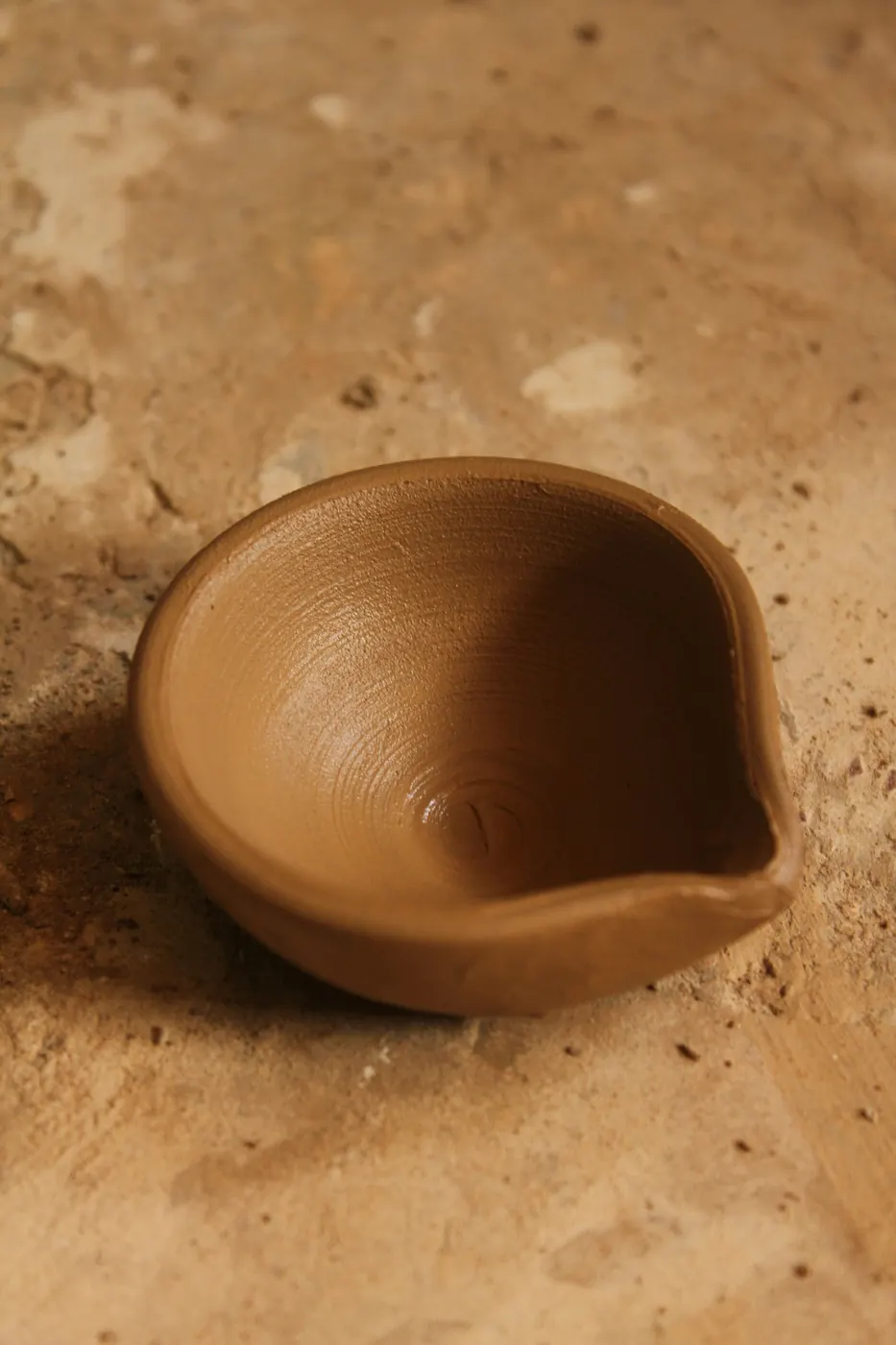
Photo: Ananya Mittal, Unsplash · concept image, not our children’s work Pinch pot, unglazed. Age 7. Two mornings. [example caption]
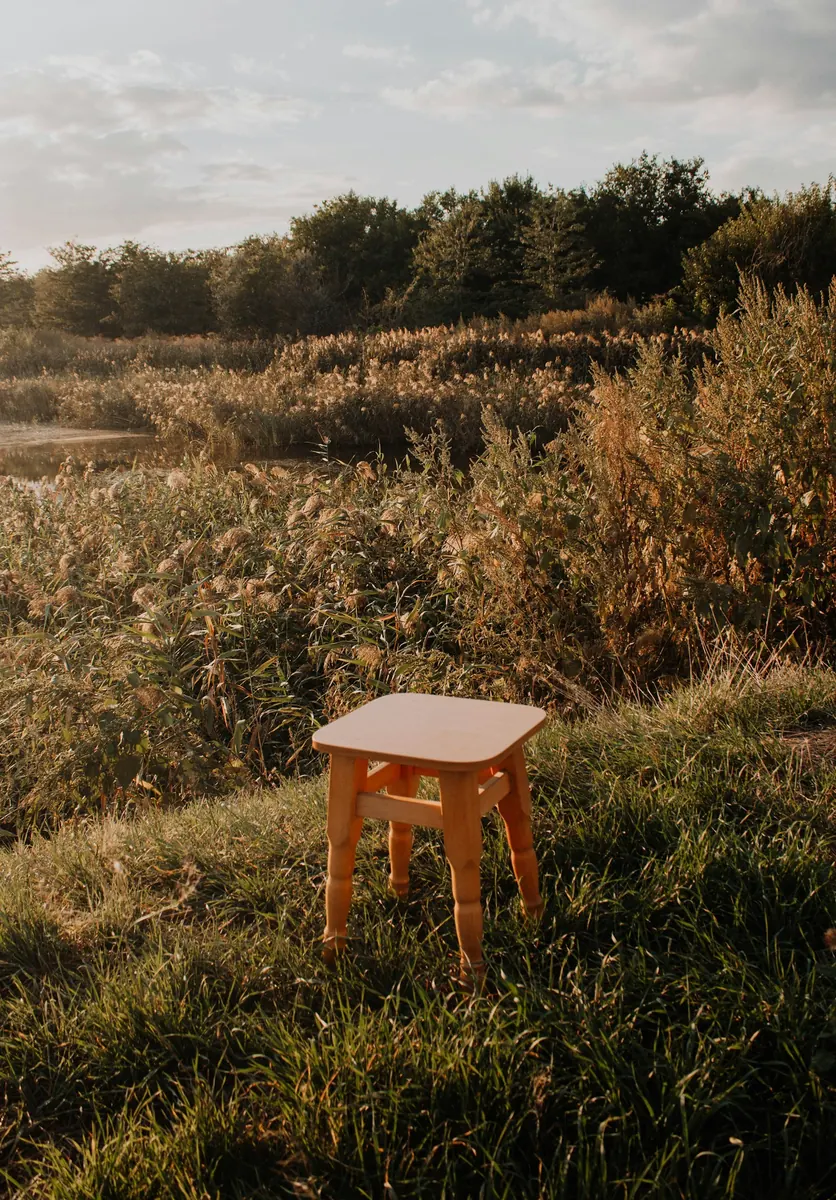
Photo: Freddie Addery, Unsplash · concept image, not our children’s work Stool, four legs. Ages 9 and 11. One term. [example caption]
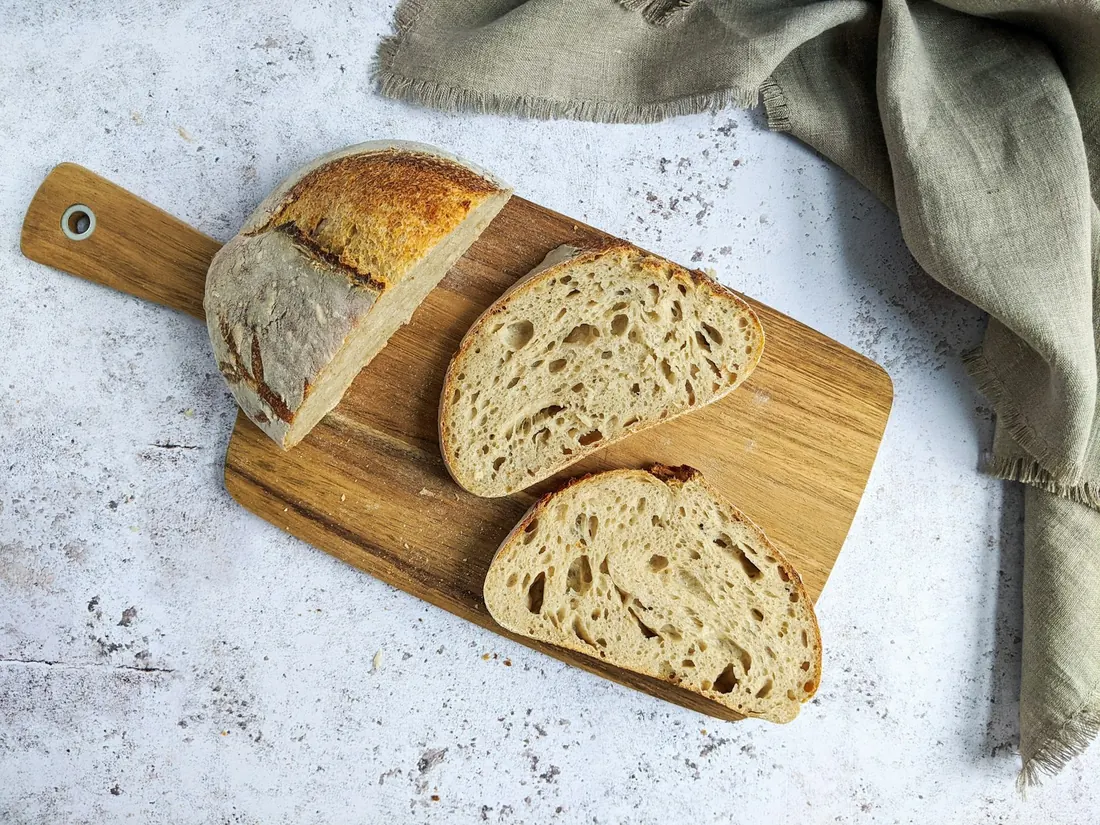
Photo: Debbie Widjaja, Unsplash · concept image, not our children’s work Bread, first loaf. Age 6. Eaten by lunch. [example caption]
Who we welcome
Every family. Any background, culture, language, belief or way of life. [optional: “Every family and whānau”, needs cultural advice]
Steiner education has a long history, and some of Rudolf Steiner’s writing and lectures contain race-based ideas. We reject them, plainly. Every child here stands on the same ground.
If your child needs something different, tell us, and we’ll work out together what we can do. We’re one small room, so we’ll be honest about what we can offer and what we can’t. [to confirm: learning support and site accessibility]
Questions parents ask
Straight answers
- Is it a registered school? Can we enrol?
- Not yet. We’re working through [to confirm: registration as a private school / other pathway] with the Ministry of Education. We won’t call ourselves registered until we are, and enrolment opens once it’s settled. Ask us any time where it’s up to.
- What does it cost?
- Fees are [to confirm: amount, per term or year] and cover [to confirm]. [to confirm: sliding scale, scholarships or other support]. If cost is the thing stopping you, ask us anyway.
- Do you use screens?
- Not in the classroom. We keep them out so the day is about paper, pencils, tools, soil and each other. What happens at home is your call, and we won’t lecture. [to confirm: adults’ phone use for safety and admin, stated plainly]
- What about later?
- Fair question. We can’t promise results, and we won’t. What we will do: teach reading, writing and maths to a written plan, and tell you plainly at what age we start formal reading and why [to confirm: approach and age]; tell you how your child is going [to confirm: how often]; and help you plan the next step, on the island or across the water. Bring the question to the open morning.
What we’ve decided
- Waiheke Island.
- We’ll stay one room, with the whole school at one table.
- We’ll start with six children, of different ages, and grow gradually.
- Our day will follow a Steiner-based rhythm.
- Screens stay out of the classroom.
What we’re still confirming
- Registration pathway [to confirm]
- Our site and what’s on it [to confirm]
- Ages we take [to confirm]
- Fees and support [to confirm]
- Our teacher [to confirm] and start date [to confirm]
We’ll move things across as they’re settled. Last updated [date].
Visit
Visit the room.
Next open morning: [date] · [time] · [place]
We only use this to reply to you. Or call [phone number].